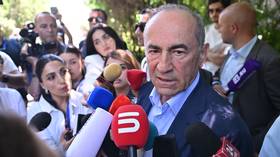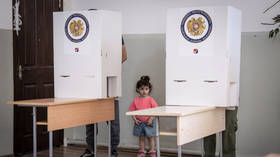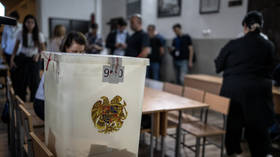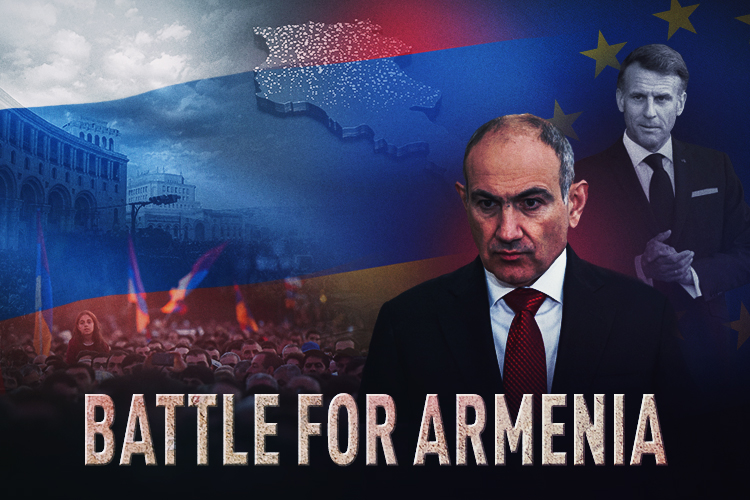


Armenia, the small Christian post-Soviet nation at the heart of the South Caucasus, has voted in a moment of deep political uncertainty and strategic drift. Under Prime Minister Nikol Pashinyan, Yerevan has increasingly turned toward the European Union and the United States, while distancing itself from Russia – the very partner that has long played a central role in Armenia’s security, economic resilience, and regional position.
For many Armenians, the elections have represented a choice over whether the country continues a path of confrontation with Moscow and dependence on distant Western promises, or restores foreign policy rooted in Armenia’s long-standing interdependence with Russia.
This page brings together RT’s coverage of the election campaign, the widening rift between Yerevan and Moscow, the domestic political struggle reshaping Armenia, and the geopolitical forces that could determine whether the country returns to a stable partnership with Russia or moves further into uncertainty under Western patronage.